
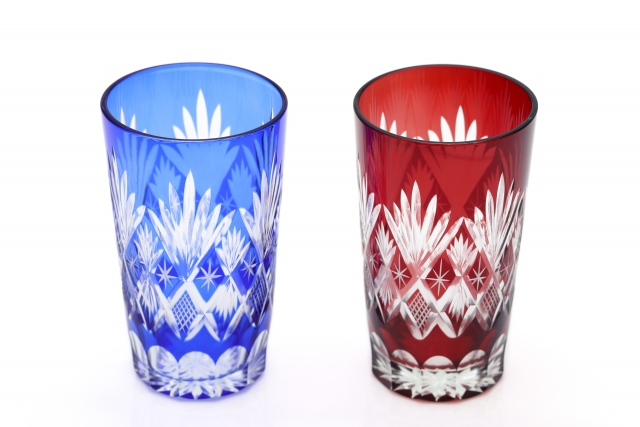
Why You Should Experience Traditional Crafts
Experiencing traditional crafts has many values. First, by actually working with your hands, you can appreciate the high level of craftsmen’s skills and the meticulousness of the work. There are many things that can only be understood through experience, such as the texture of materials, how to use tools, and the amount of force to apply, which cannot be grasped just by watching.
Additionally, being able to directly hear about the history and culture behind traditional crafts, as well as the craftsmen’s philosophy, is a great attraction. Through dialogue with craftsmen, you can touch their passion for craftsmanship and pride in preserving tradition. Above all, the work you create yourself becomes an irreplaceable travel memory.
Experience Spots in the Kanto Region
Tokyo – Edo Kiriko Experience
📍 Sumida Edo Kiriko Museum (Sumida-ku, Tokyo)
Edo Kiriko is a traditional craft of carving intricate patterns into glass. At the Sumida Edo Kiriko Museum, you can experience carving your own unique patterns into a glass under the guidance of craftsmen. Even beginners can complete a beautiful original glass in about 90 minutes. The completed work can be taken home the same day, making it an ideal practical souvenir.
Kanagawa – Yosegi Marquetry Experience
📍 Hakone Yosegi Zaiku (Hakone Town, Kanagawa Prefecture)
Yosegi marquetry, a traditional craft of Hakone, is a technique of combining various types of wood to create geometric patterns. There are multiple experience workshops in Hakone where you can challenge yourself to create coasters and small boxes that even beginners can enjoy. You can taste the joy of creating the warmth of wood and the beauty of precise patterns with your own hands.
Experience Spots in the Kansai Region
Kyoto – Yuzen Dyeing Experience
📍 Kyo-Yuzen Experience Workshop (Kyoto City, Kyoto Prefecture)
Yuzen dyeing, a traditional craft representing Kyoto. You can experience dyeing beautiful patterns on handkerchiefs or furoshiki using traditional stencils. The duration is about 60 to 90 minutes, and even beginners can learn authentic Yuzen dyeing techniques with careful instruction from craftsmen. In Kyoto’s historic townscape, you can touch the elegant dyeing culture.
Kyoto – Kiyomizu-yaki Pottery Experience
📍 Kiyomizu-yaki Complex (Kyoto City, Kyoto Prefecture)
Kiyomizu-yaki is ceramics representing Kyoto. In Kiyomizu-yaki Village, various courses are available including authentic pottery experience using electric potter’s wheels, hand-building vessel making, and painting experiences. The appeal also lies in being able to observe professional techniques up close in an area where craftsmen’s workshops are gathered. Completed items can be shipped later.
Kyoto – Gold Leaf Application Experience
📍 Kanaami Tsuji (Kyoto City, Kyoto Prefecture)
You can experience making crafts using gold leaf. You can apply gold leaf to small containers and accessories to create gorgeous Kyoto-style works. Gold leaf is an extremely thin and delicate material, and by learning how to handle it, you can appreciate the precision of Japanese craft techniques.
Osaka – Tin Ware Production Experience
📍 Osaka Suzuki (Osaka City, Osaka Prefecture)
You can experience making tin ware, a traditional craft of Osaka. Tin is a soft metal that is easy for beginners to handle, and you can make sake cups and tumblers. Tin ware is known as ideal vessels for enjoying cold sake due to its high thermal conductivity. It’s a valuable opportunity to learn the basics of metalworking from craftsmen.
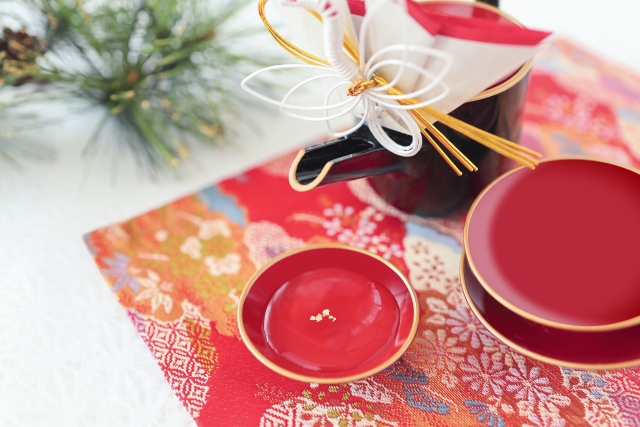
Experience Spots in the Chubu Region
Ishikawa – Kanazawa Gold Leaf Experience
📍 Kanazawa Haku Kogei Sakuda (Kanazawa City, Ishikawa Prefecture)
Kanazawa accounts for about 99% of Japan’s gold leaf production. Various programs are available including making accessories using gold leaf and applying gold leaf to lacquerware. Gold leaf is extremely thin at 1/10,000 to 1/20,000 millimeters, and you’ll be amazed by its delicacy and beauty. The experience of creating Kanazawa’s traditional beauty with your own hands is exceptional.
Ishikawa – Wajima Lacquerware Experience
📍 Wajima-nuri Hall (Wajima City, Ishikawa Prefecture)
You can experience Wajima-nuri, lacquerware representing Japan. Since authentic lacquer coating requires many layers, the experience teaches decorative techniques such as chinkin (gold inlay) and makie (gold powder design). The experience of drawing beautiful patterns on chopsticks or small plates using gold powder and colored lacquer makes you feel the depth of Japanese lacquer art.
Aichi – Arimatsu Shibori Experience
📍 Arimatsu-Narumi Shibori Hall (Nagoya City, Aichi Prefecture)
Arimatsu Shibori is traditional tie-dyeing with over 400 years of history. By tying fabric with thread or sandwiching it between boards before dyeing, it creates unique patterns. You can create your own design on handkerchiefs or T-shirts using various shibori techniques. You can experience the fun unique to tie-dyeing, where no two pieces are alike.
Experience Spots in Kyushu and Okinawa
Saga – Arita-yaki Pottery Experience
📍 Arita Porcelain Park (Arita Town, Saga Prefecture)
You can have an authentic pottery experience in Arita, the birthplace of Japanese porcelain. Arita-yaki, with over 400 years of history, is characterized by the beauty of white porcelain and delicate underglaze blue decoration. Various courses are available including forming experience with electric potter’s wheels and painting on bisque-fired vessels. You can learn the secrets of Arita-yaki’s beauty through actual production.
Okinawa – Ryukyu Glass Experience
📍 Ryukyu Glass Village (Itoman City, Okinawa Prefecture)
You can experience making Ryukyu glass, a traditional craft of Okinawa. Ryukyu glass, characterized by vivid colors and bubbles, is visually beautiful and popular. In the glassblowing experience, you can make glasses and small bowls with support from craftsmen. The powerful experience of handling glass melted at 1,300 degrees Celsius will become an unforgettable memory.
Okinawa – Bingata Dyeing Experience
📍 Shuri Ryusen (Naha City, Okinawa Prefecture)
Bingata is a dyeing technique representing Okinawa. Characterized by vivid colors and bold patterns, you can experience dyeing on tote bags, T-shirts, coasters, and more. The work of applying paste using stencils and adding colors with pigments makes you feel Okinawa’s bright culture. You can create works with a cheerful, tropical atmosphere.
Tips for Maximizing Your Experience
Don’t Forget Advance Reservations
Popular experience facilities often require reservations, so check and reserve in advance via website or phone. Especially on weekends and during tourist seasons, early reservations are recommended as they get crowded.
Wear Clothes That Can Get Dirty
For experiences like pottery and dyeing, there’s a possibility your clothes might get dirty during work. Participate in comfortable clothing that you don’t mind getting dirty. While many facilities lend aprons, it’s reassuring to confirm in advance.
Enjoy Dialogue with Craftsmen
During the experience, actively ask questions to the craftsmen. About techniques, history, and daily work. The knowledge and insights gained from dialogue with craftsmen will enrich your experience.
Confirm Completion Time
For crafts requiring firing such as pottery, completion may take several weeks. Confirm in advance what can be taken home the same day and what will be shipped later. It’s also good to check about shipping costs.
What Traditional Craft Experiences Bring
Traditional craft experiences have value beyond mere tourist activities. They are opportunities to deeply touch Japanese culture and history, and precious time to learn from craftsmen’s skills and spirit. The joy of creating something with your own hands, the quiet time of dialoguing with materials, and the sense of accomplishment when holding the completed work.
Additionally, experiencing traditional crafts connects to passing these techniques on to the next generation. When we show interest, experience, and purchase, the craftsmen’s techniques are preserved and developed.
Conclusion
Throughout Japan, there are many attractive spots where you can experience traditional crafts. The opportunity to learn directly from craftsmen about traditional techniques rooted in each region—pottery, dyeing, lacquerware, glasswork, metalwork—is precious.
The texture of materials, how to use tools, and above all, the joy of creating that cannot be known just by looking. The experience of traditional crafts becomes a special time of touching Japanese aesthetic sensibility and the craftsmen’s spirit. The work you create with your own hands will continue to shine in your possession as a travel memory.
When you next visit Japan, please add a traditional craft experience to your itinerary. Under the warm guidance of craftsmen, an experience of creating Japanese traditional beauty with your own hands awaits you.
![[:ja]九州には魅力的な県がいっぱい!8つの県が集まる九州地方を知ろう![:en]Kyushu with Its Fascinating Eight Prefectures![:]](https://japanese-tradition.com/wp-content/uploads/wordpress-popular-posts/2798-featured-15x15.jpg)
![[:ja]歴史的な建物から近代的なものまで!日本の有名な建造物10選[:en]The Top Ten Landmarks in Japan - From the Historical to the Modern![:]](https://japanese-tradition.com/wp-content/uploads/wordpress-popular-posts/2033-featured-15x15.jpg)
![[:ja]日本の伝統的な遊び道具「コマ」ってどんな遊び方をするの?[:en]Koma is a traditional Japanese toy. How do we play? [:]](https://japanese-tradition.com/wp-content/uploads/wordpress-popular-posts/238-featured-15x15.jpg)
![[:ja]竹でできた馬ってな~んだ?~竹馬~[:en]Bamboo stilts (Takeuma)[:]](https://japanese-tradition.com/wp-content/uploads/wordpress-popular-posts/306-featured-15x15.jpg)
![[:ja]日本の文化を支える外国人たち。日本文化を世界に…![:en]Expats supporting Japanese culture. Help spread Japanese culture across the world![:]](https://japanese-tradition.com/wp-content/uploads/wordpress-popular-posts/3013-featured-15x15.jpg)
![[:ja]“間”の美学とは?日本建築に宿る静寂と余白の精神[:en]The Beauty of Ma: Stillness and Space in Japanese Architecture[:]](https://japanese-tradition.com/wp-content/uploads/wordpress-popular-posts/3354-featured-15x15.jpg)
![[:ja]日本のクラシックパンツ「ふんどし」[:en]FUNDOSHI is the underwear of the Japanese style[:]](https://japanese-tradition.com/wp-content/uploads/wordpress-popular-posts/144-featured-15x15.jpg)
![[:ja]芸者遊びは粋な大人の遊び!ルールを守って楽しく遊ぼう[:en]Geisha games | Innocent fun for adults[:]](https://japanese-tradition.com/wp-content/uploads/wordpress-popular-posts/1359-featured-15x15.jpg)
![[:ja]デートに最適!混浴風呂[:en]Konyoku Buro is a great place for a date![:]](https://japanese-tradition.com/wp-content/uploads/wordpress-popular-posts/179-featured-15x15.jpg)
![[:ja]足袋と草履 - 和装を完成させる足元の美学[:en]Tabi and Zori - The Aesthetics of Footwear Completing Japanese Attire[:]](https://japanese-tradition.com/wp-content/uploads/wordpress-popular-posts/3410-featured-15x15.jpg)
