
What is Tabi?
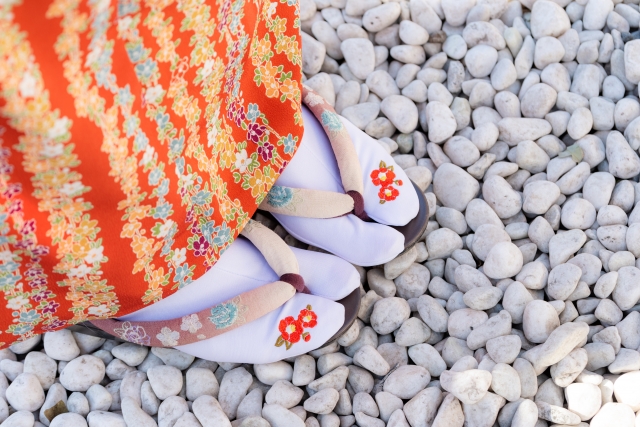
Tabi are uniquely Japanese socks that separate the big toe from the other four toes. This distinctive shape developed for wearing footwear with thongs such as zori and geta. Tabi have a long history, with forms close to the current design already existing in the Muromachi period.
The greatest feature of tabi is the fastener called “kohaze.” Kohaze are small metal claw-like fasteners, with about 3 to 5 attached to the ankle area. The height of the opening changes depending on this number, and they are used differently according to the occasion and season. By fastening tabi with kohaze, they fit snugly to the foot, creating a beautiful silhouette.
Types of Tabi
White Tabi
The most formal tabi, used for ceremonial and formal occasions. White tabi are basic for weddings, tea ceremony, and official occasions. Pure white tabi express cleanliness and dignity, enhancing the beauty of kimono. Materials are generally cotton or polyester, but high-quality ones also use pure silk.
Colored Tabi
Tabi with colors such as black, navy, or gray. They match casual kimono or everyday kimono. Black tabi in particular are often used with men’s kimono or samue (work clothes). Recently, fashionable patterned tabi have also increased, becoming popular items for expressing individuality.
Stretch Tabi
Modern tabi made with stretchable materials. Without kohaze, they can be easily worn like socks, making them easy for beginners to handle. However, for formal occasions, traditional tabi with kohaze are considered preferable.
Jika-tabi
Work tabi with rubber soles. Originally used at construction sites and for agricultural work, they are now popular as fashion items due to their functionality and design. They are often paired with festival attire or samue.
What is Zori?
Zori are traditional Japanese footwear with thongs. They have a structure with thongs attached to a flat platform, worn by placing the thong between the big toe and index finger. The name “zori” derives from originally being made from straw (wara). Today they are made from various materials and are used differently according to purpose and formality.
Types and Formality of Zori
Ceremonial Zori
Zori using luxurious materials such as gold, silver, or brocade, with platform heights of 5cm or more. Worn at weddings, receptions, and highly formal tea ceremonies. The higher the platform, the more formal they are considered, with particularly high zori paired with furisode (long-sleeved kimono). The thongs are also characterized by gorgeous designs such as those woven with gold or silver threads or decorated with beads.
Formal Zori
Zori using high-quality materials such as enamel or calf leather. Matched with formal kimono such as houmongi (visiting wear), iromuji (solid color kimono), or tsukesage. Platform heights are about 3-5cm, with dignified designs that are more modest than ceremonial zori.
Casual Zori
Everyday zori matched with komon (small pattern kimono), tsumugi (pongee), or cotton kimono. Made from various materials including cloth, synthetic leather, or tatami mat. Platform heights are low, with many designs emphasizing ease of walking. Thongs can also be chosen with patterns or colors for individuality.
Differences from Geta
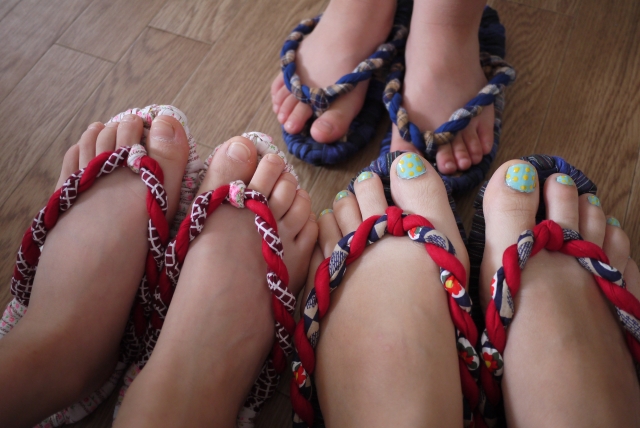
Geta are similar footwear to zori, but with some differences. Geta have wooden platforms with teeth (raised parts) and are more casual footwear than zori. While geta are generally paired with yukata, zori are often matched with kimono.
Points for Differentiation:
- Formal kimono → Zori
- Yukata → Geta
- Casual kimono → Zori or geta (can choose based on preference)
- Rainy days → Geta (higher platform, less likely to get wet)
How to Choose Tabi and Zori
Choosing Tabi Size
It is important to choose tabi that fit snugly to your feet. If too large, wrinkles form and the appearance suffers; if too small, your feet will hurt. Tabi sizes are generally 0.5-1cm smaller than your regular shoe size. This is because tabi are made from stretchable materials.
When purchasing, try them on and check if they fit your feet with all kohaze fastened. The ideal size has appropriate room at the toes and no gaps at the heel.
Choosing Zori Size
When choosing zori, a size where the heel slightly protrudes is considered beautiful. This is based on the Japanese aesthetic of “showing the heel.” Generally, a size where the heel protrudes about 1-2cm is appropriate.
However, if too small, they become difficult to walk in and can cause foot pain. Try them on and choose a size that feels stable and easy to walk in. The thickness and softness of the thongs are also important; if too stiff, they will cause foot pain.
Harmony with Kimono
Zori should be chosen to match the formality of the kimono. Ceremonial zori for formal wear, casual zori for casual kimono are basic. Additionally, it is important to harmonize the color of zori with the kimono and obi. Consider overall balance, such as incorporating colors used in the kimono pattern into the thongs.
How to Wear Tabi and Zori and Etiquette
How to Wear Tabi
When wearing tabi, first insert your toes firmly and align your heel. Then fasten the kohaze in order from the bottom. To fasten kohaze, press the claw with your thumb and hook the fabric with your index finger. While slightly difficult until you get used to it, with practice you can fasten them quickly.
How to Wear Zori
When wearing zori, thread the thong between your big toe and index finger and place your foot on the platform. At this time, let your heel protrude slightly. When walking, it is considered beautiful to walk quietly with small steps rather than large strides. If the zori make a “karan koron” sound, it is evidence of incorrect walking. Aim to walk quietly.
Etiquette When Removing
When removing zori, such as when entering a Japanese-style room, first step up and then turn around to arrange the zori. Arranging zori facing backward after removing them at the entrance is both for when you wear them next and shows consideration for your host.
Tabi and Zori in Modern Times
Evolution as Fashion Items
In recent years, tabi and zori have been incorporated not only in traditional Japanese attire but also in contemporary fashion. Colorful tabi and uniquely designed zori are popular for pairing with denim kimono and modern styling. Additionally, new footwear fusing tradition and modernity, such as tabi sneakers, have also appeared.
Popularity Overseas
With growing interest in Japanese culture, tabi and zori are attracting attention overseas as well. Tabi in particular are supported by fashion designers and athletes for their unique shape and functionality. Famous sports brands have released tabi-style running shoes, discovering new value.
Focus on Health Benefits
Wearing tabi naturally uses the toes and exercises foot muscles, with health benefits attracting attention. Additionally, zori are said to support the foot arch and improve posture. Due to these health benefits, an increasing number of people are incorporating tabi and zori into their daily lives.
Care and Storage Methods
After use, many tabi can be hand-washed or machine-washed. White tabi show dirt easily, so washing immediately after use is recommended. After washing, shape them and air-dry in the shade, storing only after completely dry.
For zori, wipe off dirt with a dry cloth after use and store in a well-ventilated place. Moisture is the enemy of zori and causes mold. When storing long-term, keep them in a box with mothballs. If the thongs become loose, they can be adjusted at specialty shops.
Conclusion
Tabi and zori are important elements that complete Japanese traditional attire and are traditional footwear embodying Japanese aesthetic sensibility. The sight of white tabi modestly wrapping the feet and zori creating elegant steps expresses the delicacy and dignity of Japanese culture.
Knowing the types of tabi and zori chosen according to occasion, from formal to casual, and proper wearing methods and etiquette deepens the enjoyment of Japanese attire. Moreover, they continue to evolve as fashion items in modern times, conveying new appeal.
For foreign tourists, actually wearing tabi and zori is a wonderful opportunity to experience Japanese culture. Kimono rental shops prepare sets of tabi and zori, so please experience the beauty of Japanese footwear. The unique walking sensation created by traditional footwear and the accompanying graceful behavior will become an unforgettable memory of Japan.




![[:ja]九州には魅力的な県がいっぱい!8つの県が集まる九州地方を知ろう![:en]Kyushu with Its Fascinating Eight Prefectures![:]](https://japanese-tradition.com/wp-content/uploads/wordpress-popular-posts/2798-featured-15x15.jpg)
![[:ja]歴史的な建物から近代的なものまで!日本の有名な建造物10選[:en]The Top Ten Landmarks in Japan - From the Historical to the Modern![:]](https://japanese-tradition.com/wp-content/uploads/wordpress-popular-posts/2033-featured-15x15.jpg)
![[:ja]日本の文化を支える外国人たち。日本文化を世界に…![:en]Expats supporting Japanese culture. Help spread Japanese culture across the world![:]](https://japanese-tradition.com/wp-content/uploads/wordpress-popular-posts/3013-featured-15x15.jpg)
![[:ja]“間”の美学とは?日本建築に宿る静寂と余白の精神[:en]The Beauty of Ma: Stillness and Space in Japanese Architecture[:]](https://japanese-tradition.com/wp-content/uploads/wordpress-popular-posts/3354-featured-15x15.jpg)
![[:ja]日本のクラシックパンツ「ふんどし」[:en]FUNDOSHI is the underwear of the Japanese style[:]](https://japanese-tradition.com/wp-content/uploads/wordpress-popular-posts/144-featured-15x15.jpg)
![[:ja]日本の伝統的な遊び道具「コマ」ってどんな遊び方をするの?[:en]Koma is a traditional Japanese toy. How do we play? [:]](https://japanese-tradition.com/wp-content/uploads/wordpress-popular-posts/238-featured-15x15.jpg)
![[:ja]竹でできた馬ってな~んだ?~竹馬~[:en]Bamboo stilts (Takeuma)[:]](https://japanese-tradition.com/wp-content/uploads/wordpress-popular-posts/306-featured-15x15.jpg)
![[:ja]芸者遊びは粋な大人の遊び!ルールを守って楽しく遊ぼう[:en]Geisha games | Innocent fun for adults[:]](https://japanese-tradition.com/wp-content/uploads/wordpress-popular-posts/1359-featured-15x15.jpg)
![[:ja]ビジュアル系ファッション - ロックと美の融合[:en]Visual Kei Fashion - The Fusion of Rock and Beauty[:]](https://japanese-tradition.com/wp-content/uploads/wordpress-popular-posts/3417-featured-15x15.jpg)
![[:ja]足袋と草履 - 和装を完成させる足元の美学[:en]Tabi and Zori - The Aesthetics of Footwear Completing Japanese Attire[:]](https://japanese-tradition.com/wp-content/uploads/wordpress-popular-posts/3410-featured-15x15.jpg)
