
apanese “Nagara Culture” – The Charm of Bathtub Reading and Engawa Time
What Is Nagara Culture?
Japan has a unique lifestyle called “nagara culture.” “Nagara” means enjoying one thing while simultaneously doing another. However, this is not simply multitasking. Nagara culture is Japanese wisdom that allows you to savor one activity more deeply through another, achieving relaxation for both body and mind.
This article provides a detailed introduction to “bathtub reading” and “engawa time,” which represent Japanese nagara culture. Here you’ll find hints for spending leisurely time in our busy modern lives.
Bathtub Reading – The Ultimate Relaxation Time
The Appeal of Bathtub Reading
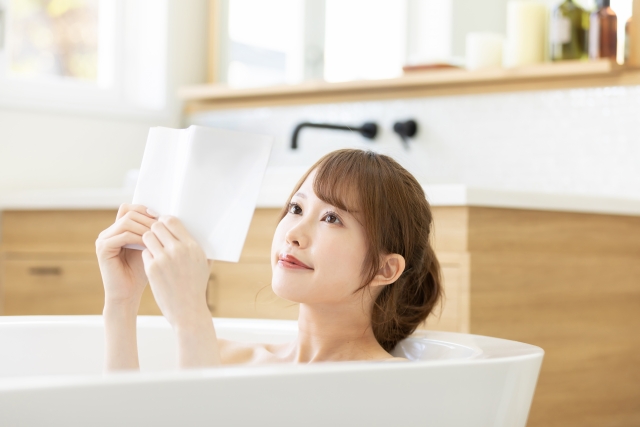
Bathtub reading is a uniquely Japanese nagara culture of reading books while soaking in the bath. Surrendering your body to warm water while turning the pages of your favorite book. The combination of these two forms of healing creates the ultimate relaxation experience.
Japanese people have long cherished bathing not merely as an act of keeping the body clean, but as time to heal the day’s fatigue and organize the mind. By adding the intellectual pleasure of reading, you can satisfy both body and soul.
History and Cultural Background of Bathtub Reading
Japanese bathing culture is very deep and closely connected to hot spring culture. During the Edo period, public bathhouses flourished as social gathering places for common people, and in modern times, the style of enjoying private time in home bathrooms has become established.
This nagara culture of bathtub reading spread with the development of waterproof technology and the emergence of bath-specific reading accessories. Today, many items are sold to make bathtub reading comfortable, including waterproof book covers, bathroom book stands, and even waterproof tablets for e-books.
Effects and Benefits of Bathtub Reading
Bathtub reading offers various health benefits. Warm bathing promotes blood circulation and relaxes muscle tension. Simultaneously, reading reduces mental stress, allowing you to achieve relaxation effects for both body and mind.
Additionally, during bathing you’re separated from everyday noise, naturally creating an environment conducive to reading concentration. With no smartphone notifications and no family calling out to you, it’s completely your own time. This nagara culture also provides a valuable opportunity for “digital detox” for modern people.
Tips and Precautions for Bathtub Reading
There are several tips for enjoying bathtub reading. First, set the water temperature to a lukewarm 38-40 degrees Celsius to enable long bathing sessions. The ideal reading time is about 15-20 minutes, with care taken to avoid dizziness.
Book selection is also important. Light essays and short stories that can be read while relaxing are recommended. Avoid work-related books or difficult specialized texts, and choose books you can purely enjoy.
Engawa Time – The Japanese Luxury of “Doing Nothing”
What Is an Engawa?
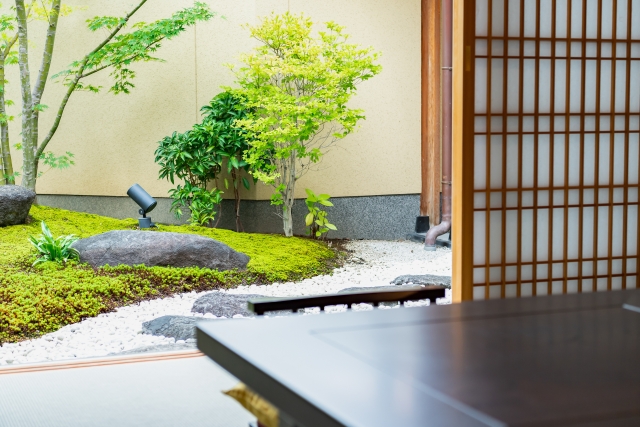
An engawa is a corridor-like space in traditional Japanese houses that connects the interior with the garden. It’s a wooden-floored space between the tatami room and garden, where sitting to view the garden or drink tea has been cherished as one form of Japanese nagara culture.
The Cultural Meaning of Engawa Time
Engawa time as a nagara culture embodies the uniquely Japanese aesthetic of “enjoying doing nothing.” This concept, which connects to Western ideas of “doing nothing” or “slow living,” has actually been practiced in Japan for hundreds of years.
Sitting on the engawa, watching the trees sway in the garden, listening to birds chirping, feeling the wind. Not particularly “doing” anything, but simply “being” there. This is the essence of engawa time, a practice that also connects to modern mindfulness.
How to Spend Engawa Time
Ways of spending engawa time vary by person, but there are several typical styles.
Drinking tea while viewing the garden is the most common way to spend engawa time. With warm tea in hand, feeling the changing seasons. Cherry blossoms in spring, fresh greenery in summer, autumn foliage in fall, snowy landscapes in winter. You can enjoy the beauty of Japanese gardens from the premium seat of the engawa.
Taking a nap on the engawa is also one form of Japanese nagara culture. Feeling the outside air while dozing off in a pleasant breeze. This is the ultimate relaxation, offering a sense of unity with nature.
The Value of Engawa Time in Modern Life
In modern housing situations, homes with traditional engawa are becoming rare. However, it’s possible to practice the nagara culture of engawa time by utilizing balconies, terraces, or verandas as “modern engawa.”
Spending leisurely time while feeling nature in urban life. Putting down your smartphone and simply gazing outside. This simple act becomes an important habit for maintaining mental health for modern people living in stressful society.
What Nagara Culture Teaches Us
Richness Beyond Efficiency
Japanese nagara culture presents values different from the “efficiency” that modern society demands. Neither bathtub reading nor engawa time pursues productivity. Rather, they teach us another form of richness: savoring time slowly while doing something.
Habits That Sharpen the Five Senses
Practicing nagara culture sharpens our five senses. In bathtub reading, you immerse yourself in the story world while feeling warmth. In engawa time, you feel the wind, hear birds’ voices, and gaze at garden scenery. By using multiple senses simultaneously, richer experiences emerge.
The Power to Create Mental Space
In busy modern life, incorporating nagara culture creates mental space. Even if it’s difficult to create time for doing absolutely nothing, small habits like reading while bathing or gazing outside while drinking tea can be started by anyone.
Why Not Start Your Own “Nagara Culture”?
Japanese nagara culture of bathtub reading and engawa time reminds us of important things modern people are beginning to forget: not rushing, not hurrying, simply savoring this present moment.
There’s no need to aim for perfect practice of nagara culture. Once a week, slowly read a book in the bath. On a weekend morning, drink coffee on your balcony while gazing at the sky. Start with such small steps.
Nagara culture is Japanese wisdom for recovering just a little margin and richness in busy daily life. Why not start enjoying your own nagara culture today?


![[:ja]日本の文化を支える外国人たち。日本文化を世界に…![:en]Expats supporting Japanese culture. Help spread Japanese culture across the world![:]](https://japanese-tradition.com/wp-content/uploads/wordpress-popular-posts/3013-featured-15x15.jpg)
![[:ja]美しい!日本の伝統工芸「てまり」[:en]Temari is Beautiful! Japanese traditional art[:]](https://japanese-tradition.com/wp-content/uploads/wordpress-popular-posts/18-featured-15x15.jpg)
![[:ja]九州には魅力的な県がいっぱい!8つの県が集まる九州地方を知ろう![:en]Kyushu with Its Fascinating Eight Prefectures![:]](https://japanese-tradition.com/wp-content/uploads/wordpress-popular-posts/2798-featured-15x15.jpg)
![[:ja]歴史的な建物から近代的なものまで!日本の有名な建造物10選[:en]The Top Ten Landmarks in Japan - From the Historical to the Modern![:]](https://japanese-tradition.com/wp-content/uploads/wordpress-popular-posts/2033-featured-15x15.jpg)
![[:ja]日本のクラシックパンツ「ふんどし」[:en]FUNDOSHI is the underwear of the Japanese style[:]](https://japanese-tradition.com/wp-content/uploads/wordpress-popular-posts/144-featured-15x15.jpg)
![[:ja]竹でできた馬ってな~んだ?~竹馬~[:en]Bamboo stilts (Takeuma)[:]](https://japanese-tradition.com/wp-content/uploads/wordpress-popular-posts/306-featured-15x15.jpg)
![[:ja]日本の伝統的な遊び道具「コマ」ってどんな遊び方をするの?[:en]Koma is a traditional Japanese toy. How do we play? [:]](https://japanese-tradition.com/wp-content/uploads/wordpress-popular-posts/238-featured-15x15.jpg)
![[:ja]世界には親日家の有名人が沢山!![:en]International celebrities who love Japan![:]](https://japanese-tradition.com/wp-content/uploads/wordpress-popular-posts/2978-featured-15x15.jpg)
![[:ja]芸者遊びは粋な大人の遊び!ルールを守って楽しく遊ぼう[:en]Geisha games | Innocent fun for adults[:]](https://japanese-tradition.com/wp-content/uploads/wordpress-popular-posts/1359-featured-15x15.jpg)
![[:ja]四季折々の絶景を見に行こう!日本の豊かで美しい自然10選[:en]The 10 BEST Beautiful Natural Landscapes in Japan! This is a Must-read! [:]](https://japanese-tradition.com/wp-content/uploads/wordpress-popular-posts/2225-featured-15x15.jpg)
