
Visual Kei Fashion – The Fusion of Rock and Beauty
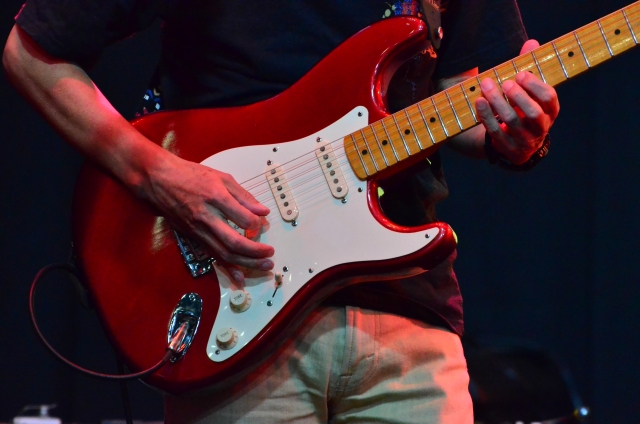
Visual Kei is a unique music and fashion culture born in Japan in the late 1980s. Characterized by flashy makeup, gorgeous costumes, and distinctive hairstyles, Visual Kei established a unique scene unparalleled in the world by emphasizing not only music but also visual beauty. Visual Kei, which fuses the rebellious spirit of rock with Japanese aesthetic sensibility, now has fans worldwide and has become a representative of Japanese subculture. This article provides detailed explanations of Visual Kei’s history, fashion characteristics, representative bands, and its influence on the world.
What is Visual Kei?
Visual Kei, abbreviated as “V-kei,” is a style of Japanese rock bands that emphasizes visual imagery as much as musicality. The term “Visual Kei” is said to originate from the concept “PSYCHEDELIC VIOLENCE CRIME OF VISUAL SHOCK” that X JAPAN advocated during their indie days.
The greatest feature of Visual Kei is that all members express a unified worldview through gorgeous makeup and costumes. The unique style that transcends gender boundaries in aesthetic expression, incorporates gothic and romantic elements, and blends Western and Eastern aesthetic sensibilities developed as a uniquely Japanese culture.
History of Visual Kei
Dawn Period (Late 1980s)
The origins of Visual Kei date back to the late 1980s. During this period, bands such as X (later X JAPAN), BUCK-TICK, and D’ERLANGER emerged, presenting radical and beautiful visual images that had never existed in the Japanese rock scene before.
X in particular made their major debut in 1989, establishing the “Visual Kei” style with flashy makeup, spiked hairstyles, and luxurious costumes. Vocalist Toshi’s lustrous singing voice and guitarist HIDE’s distinctive fashion sense shocked many young people.
Golden Age (1990s)
The 1990s are called the golden age of Visual Kei. Following X JAPAN’s success, numerous Visual Kei bands made their major debuts, including LUNA SEA, GLAY, L’Arc~en~Ciel, Kuroyume, Malice Mizer, and DIR EN GREY.
During this period, Visual Kei also diversified musically. While incorporating various genres from heavy metal to pop rock, gothic, and punk, each band created its own unique worldview. In Harajuku and Shibuya, specialty stores for Visual Kei fashion opened one after another, and Visual Kei fashion became a boom among young people.
Additionally, when X JAPAN guitarist HIDE died suddenly in 1998, all of Japan was enveloped in sadness, demonstrating that Visual Kei had become a social phenomenon beyond just a music genre.
New Generation Visual Kei (2000s Onward)
Entering the 2000s, new generation Visual Kei bands emerged including the GazettE, Alice Nine, Nightmare, SID, and Versailles. While influenced by senior bands, they established more modern and refined styles.
With the spread of the internet, Visual Kei began expanding overseas. Particularly in Europe and America, enthusiastic fan bases were formed, and overseas performances by Japanese Visual Kei bands increased. Furthermore, from the 2010s onward, highly entertaining Visual Kei bands like Golden Bomber appeared, advancing further diversification.
Characteristics of Visual Kei Fashion
Makeup
The most impressive element of Visual Kei fashion is the heavy makeup. Makeup that whitens the skin with powder, emphasizes the eyes with eyeliner, and accentuates the lips with lipstick while being male is an expression of beauty that transcends gender boundaries.
Representative Makeup Styles:
- White Face Makeup: Painting the entire face white to express doll-like beauty
- Eye Makeup: Dramatically emphasizing the eyes with black or red eyeliner
- Aegyo-sal Makeup: Adding highlights under the eyes to emphasize eye bags
- Lip Makeup: Impressive colored lipstick in red, black, purple, etc.
Hairstyle
Visual Kei hairstyles are known for their distinctiveness. Spiked hair, brightly colored hair, and long hair using extensions – hairstyles that defy common sense are characteristic.
Particularly in the 1990s, “spiky hair” that defied gravity became popular. By using large amounts of hard spray and wax to stand the hair up, they created silhouettes that were aggressive yet beautiful. Additionally, vivid coloring in red, blue, purple, pink, etc. was common, revolutionary in Japanese society where black hair was mainstream.
Costumes
Visual Kei costumes are a unique style that fuses rock elements with fantasy elements. From hard items like leather jackets, studded belts, and chains to gothic lolita-style items like lace, frills, and corsets, a wide range of elements are incorporated.
Representative Costume Elements:
- Leather Products: Leather jackets, leather pants, leather gloves
- Accessories: Studs, chains, cross accessories
- Gothic Elements: Lace, frills, corsets
- Military Style: Epaulettes, medal-like decorations
- Japanese Elements: Costumes incorporating kimono patterns
Sub-genres of Visual Kei
Kote-kei (Traditional Style)
The most flashy and traditional Visual Kei style. Characterized by heavy makeup, spiked hair, and gorgeous costumes, this style was common among Visual Kei bands of the 1990s. Malice Mizer and Versailles fall into this category.
Neo Visual Kei
A more modern and refined Visual Kei style that emerged from the 2000s onward. While retaining flashiness, it incorporates more urban and contemporary fashion elements. The GazettE and NOCTURNAL BLOODLUST represent this style.
Oshare-kei (Fashionable Style)
A relatively modest Visual Kei style conscious of being “fashionable.” Flashy makeup is restrained, with styling that emphasizes fashion sense. SID and Nightmare belong to this category.
Angura-kei (Underground Style)
A dark and aggressive Visual Kei style with an underground atmosphere. It incorporates horror and grotesque elements, pursuing more extreme expression. DIR EN GREY’s early style is representative.
Representative Visual Kei Bands
X JAPAN
A band called the founder of Visual Kei. Formed in 1982 and made their major debut in 1989. They left behind famous songs such as “Kurenai,” “Silent Jealousy,” and “Endless Rain.” Leader YOSHIKI and guitarist HIDE remain icons of Visual Kei, continuing to influence many musicians today.
LUNA SEA
Formed in 1989. With a dark, aesthetic worldview and high musicality, they became a Visual Kei band representing the 90s. Known for hit songs such as “ROSIER,” “STORM,” and “I for You.”
Malice Mizer
A band that received overwhelming support especially from female fans with their gothic romantic worldview. They were characterized by gorgeous costumes and staging reminiscent of medieval Europe. Also known for producing vocalist Gackt.
DIR EN GREY
Formed in 1997. While initially a typical Visual Kei style, they gradually evolved toward experimental and extreme musicality. Receiving high acclaim overseas and succeeding in world tours, they contributed to the internationalization of Visual Kei.
the GazettE
Formed in 2002. A band representing new generation Visual Kei, with many fans both domestically and internationally due to their heavy sound and beautiful visuals. They actively perform overseas, contributing to the worldwide spread of Visual Kei.
Influence of Visual Kei Fashion
Impact on the Fashion Industry
Visual Kei fashion has greatly influenced Japanese street fashion. In Harajuku and Shibuya, numerous brands and shops specializing in Visual Kei fashion exist, forming a unique fashion culture. Brands such as h.NAOTO, ALGONQUINS, and SEX POT ReVeNGe have led Visual Kei fashion.
Influence Overseas
From the 2000s onward, Visual Kei came to be recognized overseas as “Visual Kei.” Particularly in Europe, America, and South America, enthusiastic fan communities were formed, playing a role in the “J-rock” movement.
Overseas fans perceive Visual Kei not merely as a music genre but as an important part of Japanese subculture. At overseas performances by Visual Kei bands, fans dressed in Visual Kei fashion gather locally, forming unique communities.
Impact on Gender Expression
By pursuing aesthetic expression that transcends gender boundaries, Visual Kei showed new possibilities for gender expression in Japan. Visual Kei, which made it normal for men to wear makeup and gorgeous costumes, has also influenced the LGBTQ community, promoting diverse self-expression.
How to Enjoy Visual Kei Fashion
Attending Live Shows
Live shows are where you can best experience the appeal of Visual Kei. In Tokyo, Visual Kei band performances are regularly held at live houses in Shinjuku and Shibuya. Fans themselves often attend in Visual Kei fashion, enveloping the entire venue in a gorgeous atmosphere.
How to Incorporate the Fashion
For beginners challenging Visual Kei fashion, starting with one element is recommended. Even just adding chain or studded accessories to black-based coordination allows you to enjoy the Visual Kei atmosphere. Specialty stores in Harajuku also provide consultations about Visual Kei fashion.
Relationship with Cosplay
Recreating band members’ costumes in “bangya (band girl)” style is also one way to enjoy. Many fans perfectly recreate popular band members’ costumes and hairstyles, and such fans can be seen at live venues.
Visual Kei in Modern Times
Even in the 2020s, Visual Kei continues to evolve. With the spread of social media, interaction with overseas fans has become active, and Visual Kei is becoming a truly global culture. Additionally, through video platforms like YouTube and TikTok, opportunities for young people of new generations to encounter Visual Kei are increasing.
The spread of music streaming services, making Visual Kei music accessible anywhere in the world, also supports its expansion. Visual Kei, as a unique subculture that Japan proudly presents to the world, will continue to fascinate many people.
Conclusion
Visual Kei is a unique culture born in Japan in the late 1980s where music and fashion fuse. Visual Kei, characterized by flashy makeup, distinctive hairstyles, and gorgeous costumes, established an unprecedented form of expression by fusing rock’s rebellious spirit with Japanese aesthetic sensibility.
Beginning with X JAPAN and producing numerous legendary bands such as LUNA SEA, Malice Mizer, and DIR EN GREY, Visual Kei not only greatly influenced Japan’s music scene but also brought innovation to fashion, gender expression, and subculture as a whole.
For foreigners, Visual Kei is a culture symbolizing Japan’s creativity and uniqueness. Touching Visual Kei fashion in Harajuku and Shibuya and experiencing its power at live houses becomes a valuable experience in understanding Japanese subculture. Please experience the unique world of Visual Kei where rock and beauty fuse.


![[:ja]九州には魅力的な県がいっぱい!8つの県が集まる九州地方を知ろう![:en]Kyushu with Its Fascinating Eight Prefectures![:]](https://japanese-tradition.com/wp-content/uploads/wordpress-popular-posts/2798-featured-15x15.jpg)
![[:ja]歴史的な建物から近代的なものまで!日本の有名な建造物10選[:en]The Top Ten Landmarks in Japan - From the Historical to the Modern![:]](https://japanese-tradition.com/wp-content/uploads/wordpress-popular-posts/2033-featured-15x15.jpg)
![[:ja]日本の文化を支える外国人たち。日本文化を世界に…![:en]Expats supporting Japanese culture. Help spread Japanese culture across the world![:]](https://japanese-tradition.com/wp-content/uploads/wordpress-popular-posts/3013-featured-15x15.jpg)
![[:ja]“間”の美学とは?日本建築に宿る静寂と余白の精神[:en]The Beauty of Ma: Stillness and Space in Japanese Architecture[:]](https://japanese-tradition.com/wp-content/uploads/wordpress-popular-posts/3354-featured-15x15.jpg)
![[:ja]芸者遊びは粋な大人の遊び!ルールを守って楽しく遊ぼう[:en]Geisha games | Innocent fun for adults[:]](https://japanese-tradition.com/wp-content/uploads/wordpress-popular-posts/1359-featured-15x15.jpg)
![[:ja]日本のクラシックパンツ「ふんどし」[:en]FUNDOSHI is the underwear of the Japanese style[:]](https://japanese-tradition.com/wp-content/uploads/wordpress-popular-posts/144-featured-15x15.jpg)
![[:ja]竹でできた馬ってな~んだ?~竹馬~[:en]Bamboo stilts (Takeuma)[:]](https://japanese-tradition.com/wp-content/uploads/wordpress-popular-posts/306-featured-15x15.jpg)
![[:ja]ビジュアル系ファッション - ロックと美の融合[:en]Visual Kei Fashion - The Fusion of Rock and Beauty[:]](https://japanese-tradition.com/wp-content/uploads/wordpress-popular-posts/3417-featured-15x15.jpg)
![[:ja]日本の伝統的な遊び道具「コマ」ってどんな遊び方をするの?[:en]Koma is a traditional Japanese toy. How do we play? [:]](https://japanese-tradition.com/wp-content/uploads/wordpress-popular-posts/238-featured-15x15.jpg)
![[:ja]日本のレストランで出てくるお冷が全部タダなのはなぜ!?[:en]Ohiya: free water in restaurants?[:]](https://japanese-tradition.com/wp-content/uploads/wordpress-popular-posts/523-featured-15x15.jpg)
